
Crossover 30Q5 PRO specs.
Monitors Specs >> Crossover >> Crossover 30Q5 PRO| Specifications | | | Reviews |

General characteristics Crossover 30Q5 PRO
Type:
LCD, widescreen
Diagonal:
30"
Resolution:
2560x1600 (16:10)
Type LC-matrix:
IPS TFT
Screen Crossover 30Q5 PRO
Dot pitch horizontal:
0.2505 mm
Dot pitch, vertical:
0.2505 mm
Brightness:
370 CD/m2
Contrast:
1000:1
Response time:
5 MS
Field of view:
horizontal 178 degrees; vertical 178 degrees
Scan Crossover 30Q5 PRO
Scan frequency:
horizontal: 30-81 kHz; vertical: 56-75 Hz
Connection Crossover 30Q5 PRO
Inputs:
DVI-D
Power Crossover 30Q5 PRO
Power supply:
external
Power consumption:
operation: 140 W, standby: 5 W
Additionally Crossover 30Q5 PRO
Standards:
environmental: MPR-II, TCO"03; Plug&Play VESA DDC 1/2B; energy saving: VESA DPMS
Height adjustment:
yes
Rotate 90 degrees:
yes
Wall mount:
yes, 100x100 mm
Dimensions, weight:
690x470x455 mm 11 kg
Reviews, Questions about Crossover 30Q5 PRO
| Ben | April 26, 2020 | |
| Does it have freesync? | ||
Write Review / Ask a question about Crossover 30Q5 PRO
Hisense has added a new gaming monitor to its lineup: the G7 Pro. The model features a large screen with slim bezels and the ability to operate in two modes, allowing users to adjust key settings depending on the gaming scenario.
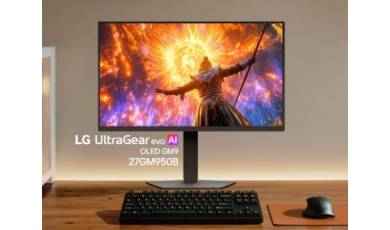
The LG Electronics catalog now features a new gaming monitor, the UltraGear evo 27GM950B. It stands out with its 5K resolution and new Hyper Mini LED technology. Thanks to two modes, users can choose between high image clarity and maximum smoothness.
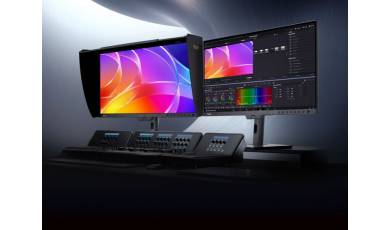
ASUS has expanded its ProArt monitor series with the release of the PA32USD model. In addition to high resolution and accurate color reproduction, the new model features a high refresh rate, making it suitable for both multimedia content and gaming.