
Samsung SyncMaster 305T specs.
Monitors Specs >> Samsung >> Samsung SyncMaster 305T| Specifications | | | Reviews |
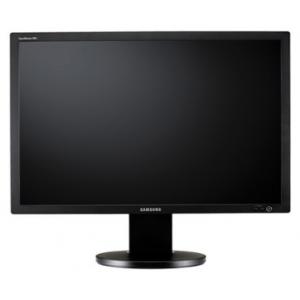
General characteristics Samsung SyncMaster 305T
Type:
LCD Monitor, Widescreen
Diagonal:
30"
Resolution:
2560x1600 (16:10)
Screen Samsung SyncMaster 305T
Dot Horizontal:
0.25 mm
Dot Vertical:
0.25 mm
Brightness:
400 cd/m2
Contrast:
1000:1
Response time:
6 ms
Field of view:
Horizontal: 178°; Vertical: 178°
The maximum number of colors:
16.7 million
Signal Samsung SyncMaster 305T
Frequency sweep:
Horizontal: 30-81 kHz, Vertical: 56-75 Hz
Connection Samsung SyncMaster 305T
Inputs:
DVI-D
Interfaces:
USB Type A x4
USB-Hub:
Yes, the number of ports: 4
USB version:
USB 2.0
Power Samsung SyncMaster 305T
Power supply unit:
built-in
Power consumption:
Operating: 130 W, Standby: 2W
Additionally Samsung SyncMaster 305T
Standards:
Environment: MPR-II, TCO'' 99; Plug & Play: DDC 2B
Dimensions, weight:
690x502x280 mm, 12 kg
Reviews, Questions about Samsung SyncMaster 305T
Write Review / Ask a question about Samsung SyncMaster 305T
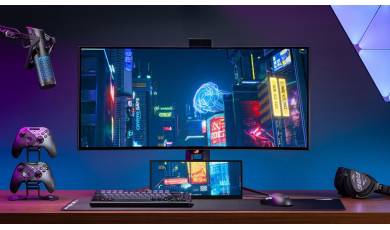
ASUS has added the compact ROG Strix XG129C secondary display to its lineup, designed for streamers, gamers, and anyone who constantly runs out of space on their main monitor. The company has even secured the support of the developers of the popular AIDA64 Extreme utility.

Hisense has added a new gaming monitor to its lineup: the G7 Pro. The model features a large screen with slim bezels and the ability to operate in two modes, allowing users to adjust key settings depending on the gaming scenario.
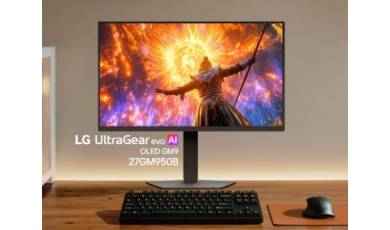
The LG Electronics catalog now features a new gaming monitor, the UltraGear evo 27GM950B. It stands out with its 5K resolution and new Hyper Mini LED technology. Thanks to two modes, users can choose between high image clarity and maximum smoothness.