



ASUS MS228H specs.
Monitors Specs >> ASUS >> ASUS MS228H| Specifications | | | Reviews |
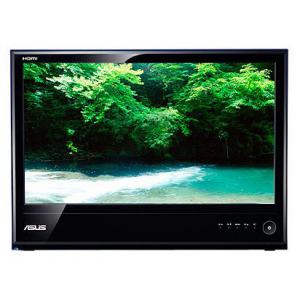
General characteristics ASUS MS228H
Type:
LCD Monitor, Widescreen
Diagonal:
21.5"
Resolution:
1920x1080 (16:9)
LED (LED) backlight:
Yes
LCD Type:
TFT TN
Screen ASUS MS228H
Dot Horizontal:
0.248 mm
Dot Vertical:
0.248 mm
Brightness:
250 cd/m2
Dynamic Contrast Ratio:
10000000:1
Response time:
2 ms
Field of view:
Horizontal: 170°; Vertical: 160°
The maximum number of colors:
16.7 million
Signal ASUS MS228H
Frequency sweep:
Horizontal: 30-83 kHz, Vertical: 55-75 Hz
Connection ASUS MS228H
Inputs:
HDMI, VGA (D-Sub)
Outputs:
Headphone
Power ASUS MS228H
Power supply unit:
built-in
Power consumption:
Operating: 25 W, Standby: 1W
Additionally ASUS MS228H
Standards:
Energy Saving: EPA Energy Star
Dimensions, weight:
520x378x156 mm, 3 kg
Reviews, Questions about ASUS MS228H
Write Review / Ask a question about ASUS MS228H
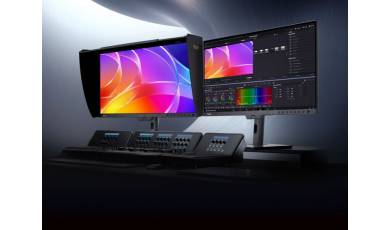
ASUS has expanded its ProArt monitor series with the release of the PA32USD model. In addition to high resolution and accurate color reproduction, the new model features a high refresh rate, making it suitable for both multimedia content and gaming.
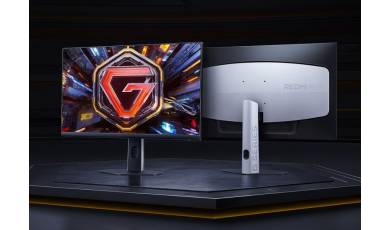
REDMI has unveiled the G24Q, an affordable gaming monitor featuring a Fast IPS panel. Despite its affordable price, the new model offers an advanced set of specifications and supports a range of features designed to enhance the gaming experience without the use of cheats.

GIGABYTE has released a new gaming monitor, the MO32U24. This 32-inch model features 4K resolution, a QD-OLED panel, and a 240 Hz refresh rate?a rare combination of specifications even in the high-end segment.