



Rivo Advance A240 specs.
Mobiles >> Rivo >> Rivo Advance A240| Specifications | Reviews | Secret codes |
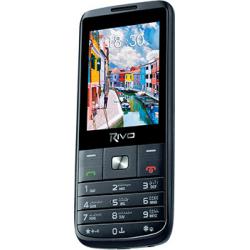
General Information Rivo Advance A240
2G: Second generation cellular network
Second generation cellular network2G Enabled
3G:Third generation cellular network
Third generation cellular networkNo
SIM:
Dual Sim Standby
Status:
Available, February 2015
Body Rivo Advance A240
Dimensions:
112 x 51.1 x 11.55 mm
Weight:
N/a
Display Rivo Advance A240
Size:
QVGA Display 2.4
Sound Rivo Advance A240
Loudspeaker:
Yes
Memory Rivo Advance A240
Card slot:
Up to 16 GB MicroSD Card Support
Internal:
1000 Phone Book Memory,500 SMS
Camera Rivo Advance A240
Primary:
Digital Camera with LED Flash
Features Rivo Advance A240
Messaging:
SMS, MMS
Radio:
Wireless FM Radio with Recoding
GPRSGeneral Packet Radio Service, Call & SMS Block Option, Games,Audio/Video Player,Auto Call Recording
General Packet Radio Service, Call & SMS Block Option, Games,Audio/Video Player,Auto Call RecordingBattery Rivo Advance A240
Battery:
Li-Ion 1450 mAh 4L Battery
Comments, Questions and Answers about Rivo Advance A240
Ask a question about Rivo Advance A240
HMD has confirmed the launch date for its new budget smartphone, the Vibe 2 5G. In an official render, the company revealed the device's design, disclosed its color options, and confirmed some key specifications.
realme has officially confirmed the launch date for its new realme 16T 5G smartphone. At the same time, details about the design of the upcoming device and some of its technical specifications have been revealed.

vivo has released the mid-range Y60 smartphone. Key features of the model include a durable build, a high-capacity battery with reverse charging, and a display with a high refresh rate.