
Lovme LX388 specs.
Mobiles >> Lovme >> Lovme LX388| Specifications | Reviews | Secret codes |
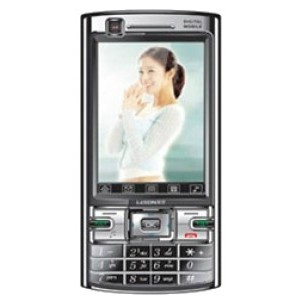
Basic Spec LOVME LX388
Smart Phone OS: An operating system (OS) is software that interacts between a user and a smartphone.
An operating system (OS) is software that interacts between a user and a smartphone.Nucleus
Chipset:Is a set of chips in the smartphone that control the CPU.
Is a set of chips in the smartphone that control the CPU.MediaTek MT6225
Display LOVME LX388
Primary display:
TFT 2.8" 320 x 240 pixels 256K colors QVGA, 143 ppi
Secondary display:
No
Storage LOVME LX388
RAM:Random Access Memory
Random Access Memory32 MB
Memory Card:
MicroSD,
Main Camera LOVME LX388
Primary camera:
0.3 MP 640 x 480 pixels VGA
Selfie camera LOVME LX388
Secondary camera:
0.1 MP 352 x 288 pixels
Sound LOVME LX388
Headphone:
No
Network LOVME LX388
EV-DO:
No
GPRS:General Packet Radio Service
General Packet Radio ServiceYes
GSM:
900, 1800, 1900
EDGE:
No
Connectivity LOVME LX388
Wi-Fi:Wireless lan technology
Wireless lan technologyNo
NFC:Near field communication
Near field communicationNo
GPS:Global Positioning System
Global Positioning SystemNo
Bluetooth:Bluetooth is used to exchange data between nearby mobile devices.
Bluetooth is used to exchange data between nearby mobile devices.No
HDMI:
No
Hotknot:
No
USB:Universal Serial Bus
Universal Serial BusYes
Infrared:
No
Battery LOVME LX388
Capacity:
1150 mAh Li-Ion
Size LOVME LX388
Dimension:
118 x 58.5 x 13.8 mm
Weight:
98 g
SIM:
Mini-SIM, Dual-SIM
Colors:
black, gray, silver
Comments, Questions and Answers about Lovme LX388
Ask a question about Lovme LX388
HMD has confirmed the launch date for its new budget smartphone, the Vibe 2 5G. In an official render, the company revealed the device's design, disclosed its color options, and confirmed some key specifications.
realme has officially confirmed the launch date for its new realme 16T 5G smartphone. At the same time, details about the design of the upcoming device and some of its technical specifications have been revealed.
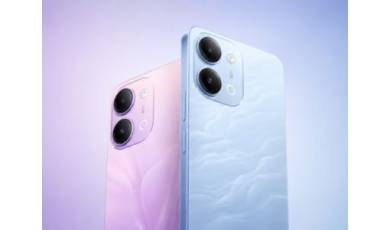
vivo has released the mid-range Y60 smartphone. Key features of the model include a durable build, a high-capacity battery with reverse charging, and a display with a high refresh rate.