

Asus Zenfone Max Pro M3 specs.
Mobiles >> ASUS >> Asus Zenfone Max Pro M3| Specifications | Reviews | Secret codes |
| Unlock phone | Root phone |
| Backup | Flash Firmware | Screenshot |
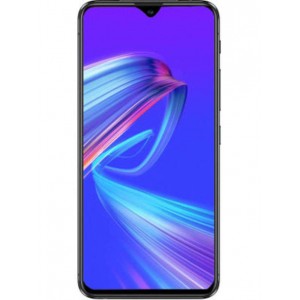
Basic Spec Asus Zenfone Max Pro M3
Smart Phone OS: An operating system (OS) is software that interacts between a user and a smartphone.
An operating system (OS) is software that interacts between a user and a smartphone.Android v10 (Q)
Chipset:Is a set of chips in the smartphone that control the CPU.
Is a set of chips in the smartphone that control the CPU.Qualcomm Snapdragon 675
CPU:Central processing unit
Central processing unitOcta core (2 GHz, Dual core, Kryo 460 1.7 GHz, Hexa Core, Kryo 460)
CPU:Central processing unit
Central processing unitSnapdragon 675
Architecture:
64 bit
RAM:Random Access Memory
Random Access Memory4 GB
GPU:Graphics Processing Unit
Graphics Processing UnitAdreno 612
Display Asus Zenfone Max Pro M3
Screen Size:This diagonal display size is usually measured in inches.
This diagonal display size is usually measured in inches.6.3 inches
Screen Resolution:Screen resolution refers to the size of the image received on the screen in pixels
Screen resolution refers to the size of the image received on the screen in pixels1080 x 2340 pixels
Screen type:
IPS LCD
Pixel density:
409 ppi
Bezelless display:
Yes with waterdrop notch
Touch screen:
Yes Capacitive Touchscreen, Multi-touch
Storage Asus Zenfone Max Pro M3
Internal memory:
64 GB
Expandable memory:
Yes Up to 512 GB
Camera Asus Zenfone Max Pro M3
Front camera:
20 MP
Main camera:
48 MP 8 MP 5 MP
Main camera:
Yes 48 MP, Auto focus
Screen Resolution:Screen resolution refers to the size of the image received on the screen in pixels
Screen resolution refers to the size of the image received on the screen in pixels20 MP Primary Camera
Camera setup:
Single
Flash:
Yes LED Flash
Image resolution:
8000 x 6000 Pixels
Autofocus:
Yes
Shooting modes:
Continuos Shooting, High Dynamic Range mode (HDR)
Settings:
Exposure compensation, ISO control
Camera features:
Digital Zoom, Auto Flash, Face detection, Touch to focus
Communication Asus Zenfone Max Pro M3
Sim 1:
4G Bands:TD-LTE 2300(band 40) FD-LTE 1800(band 3)3G Bands: UMTS 1900 / 2100 / 850 / 900 MHz2G Bands: GSM 1800 / 1900 / 850 / 900 MHz GPRS:Available EDGE:Available
Sim 2:
4G Bands: TD-LTE 2300(band 40) FD-LTE 1800(band 3)3G Bands: UMTS 1900 / 2100 / 850 / 900 MHz 2G Bands: GSM 1800 / 1900 / 850 / 900 MHz GPRS:Available EDGE:Available
Sim slots:
Dual SIM, GSM GSM
Network support:
4G: Available , 3G: Available, 2G: Available
Network support:
4G , 3G, 2G
Wifi:
Yes Wi-Fi 802.11, b/g/n
Wifi features:
Mobile Hotspot
Bluetooth:Bluetooth is used to exchange data between nearby mobile devices.
Bluetooth is used to exchange data between nearby mobile devices.Yes v5.0
Gps:
Yes with A-GPSAssisted Global Positioning System
Assisted Global Positioning SystemVolte:
Yes
Usb connectivity:
Mass storage device, USB charging
USB Type-C:
Yes
Sensors Asus Zenfone Max Pro M3
Fingerprint sensor:
Yes
Fingerprint sensor position:
Rear
Other sensors:
Light sensor, Proximity sensor, Accelerometer
Design Asus Zenfone Max Pro M3
Sim size:
SIM1: Nano, SIM2: Nano (Hybrid)
Battery Asus Zenfone Max Pro M3
Capacity:
5000 mAh
Type:
Li-ion
User replaceable:
No
Quick charging:
Yes
Quick charging:
Yes Fast
Comments, Questions and Answers about Asus Zenfone Max Pro M3
| Arnaldo Pereira | September 13, 2025 | |
| Qual o preço e se há a versão com 128GB de memória? | ||
Ask a question about Asus Zenfone Max Pro M3
Honor has added the mid-range Play 80 Plus smartphone to its lineup, featuring a high-capacity battery, an IPS display, and a Snapdragon processor. It also features a dedicated button for accessing AI functions.
Following the Play 70C, Play 80 Plus, and Play 11C, Honor has released a new smartphone in the series?the 11 Plus. Its key features include an AMOLED screen with a high PWM frequency and a high-capacity battery, combined with a slim body.

Following the launch of its new tablet, HUAWEI has introduced the nova 15 Max smartphone to the global market. The device emphasizes long battery life and advanced photography capabilities, allowing users to capture high-quality images even at night.