
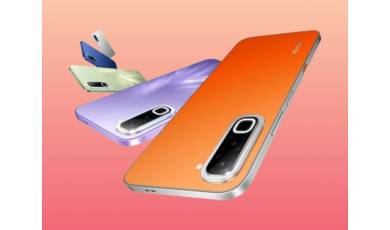
Sony Xperia UL specs.
Mobiles >> Sony >> Sony Xperia UL| Specifications | Reviews | Secret codes |
| Unlock phone | Root phone |
| Backup | Flash Firmware | Screenshot |
General Sony Xperia UL
Release date:
May 2013
Battery capacity (mAh):
2300
Removable battery:
Yes
Colours:
WHITE, PINK, BLACK
SAR value:
NA
Display Sony Xperia UL
Screen size (inches):
5.00
Touchscreen:
Yes
Screen Resolution: Screen resolution refers to the size of the image received on the screen in pixels
Screen resolution refers to the size of the image received on the screen in pixels1080x1920pixels
Hardware Sony Xperia UL
Processor:
1.5GHz quad-core
RAM:Random Access Memory
Random Access Memory2GB
Internal storage:
16GB
Expandable storage:
Yes
Expandable storage type:
microSD
Expandable storage up to (GB):
64
Camera Sony Xperia UL
Rear camera:
13-megapixel
Flash:
Yes
Front camera:
0.3-megapixel
Software Sony Xperia UL
Smart Phone OS:An operating system (OS) is software that interacts between a user and a smartphone.
An operating system (OS) is software that interacts between a user and a smartphone.Android 4.1
Connectivity Sony Xperia UL
Wi-Fi:Wireless lan technology
Wireless lan technologyYes
Wi-Fi standards supported:
NA
GPS:Global Positioning System
Global Positioning SystemYes
Bluetooth:Bluetooth is used to exchange data between nearby mobile devices.
Bluetooth is used to exchange data between nearby mobile devices.Yes, v 4.00
NFC:Near field communication
Near field communicationYes
Infrared:
Yes
Wi-Fi Direct:
No
MHL Out:
No
HDMI:
No
Headphones:
Yes
FM:
Yes
SIM Type:
Regular
GSM/ CDMA:
GSM
3G:Third generation cellular network
Third generation cellular networkYes
4G/ LTE:
No
Sensors Sony Xperia UL
Compass:
No
Proximity sensor:
No
Accelerometer:
No
Ambient light sensor:
No
Gyroscope:
No
Barometer:
No
Temperature sensor:
No
Comments, Questions and Answers about Sony Xperia UL
Ask a question about Sony Xperia UL
