

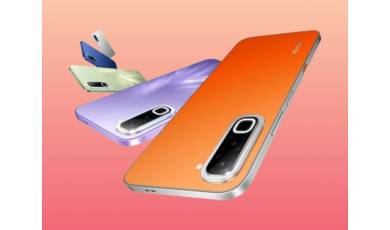
O 8.7 Android specs.
Mobiles >> O >> O 8.7 Android| Specifications | Reviews | Secret codes |
| Unlock phone | Root phone |
| Backup | Flash Firmware | Screenshot |
Type O 8.7 Android
Phone Type:
Smartphone
Basic Spec O 8.7 Android
Smart Phone OS: An operating system (OS) is software that interacts between a user and a smartphone.
An operating system (OS) is software that interacts between a user and a smartphone.Android
Smart Phone OS ver.:
2.3.5
Shape:
Bar
SIM:
Dual SIM
Dual Standby
Dual Standby
Processor Speed:
1GHz
Internal Storage:
RAM:Random Access Memory
Random Access Memory512MB
External Storage:
Memory Card slot up to 32GB
Battery life:
Screen O 8.7 Android
Screen Size:This diagonal display size is usually measured in inches.
This diagonal display size is usually measured in inches.3.2inch
Screen Resolution:Screen resolution refers to the size of the image received on the screen in pixels
Screen resolution refers to the size of the image received on the screen in pixels320x240
Touch Screen:
yes
Screen Type:
Network O 8.7 Android
Network Type:
2G, 3G
2G:Second generation cellular network
Second generation cellular networkGSM 850 / 900 / 1800 / 1900
3G:Third generation cellular network
Third generation cellular network900 / 1900 / 2100
4G(LTE):
Speed:
Wireless LAN:
yes
Bluetooth:Bluetooth is used to exchange data between nearby mobile devices.
Bluetooth is used to exchange data between nearby mobile devices.yes
infrared transmission:
Hotspot/Tethering:
Camera O 8.7 Android
Pixels:
3.2MP
Flash:
Image Stabilization:
Others O 8.7 Android
Waterproof:
GPS:Global Positioning System
Global Positioning Systemyes
Size O 8.7 Android
Dimensions (WxHxD):
112 x 60 x 11.6mm
Weight:
150g
Comments, Questions and Answers about O 8.7 Android
Ask a question about O 8.7 Android


|

|

|