
Lovme LM688 specs.
Mobiles >> Lovme >> Lovme LM688| Specifications | Reviews | Secret codes |
Basic Spec LOVME LM688
Smart Phone OS: An operating system (OS) is software that interacts between a user and a smartphone.
An operating system (OS) is software that interacts between a user and a smartphone.MTK
Chipset:Is a set of chips in the smartphone that control the CPU.
Is a set of chips in the smartphone that control the CPU.MediaTek MT6225
Internal memory:
512 MB
Display LOVME LM688
Primary display:
TFT 2.2" 220 x 170 pixels 65K colors
Secondary display:
No
Storage LOVME LM688
Memory Card:
MicroSD,
Main Camera LOVME LM688
Primary camera:
0.3 MP 640 x 480 pixels VGA
Selfie camera LOVME LM688
Secondary camera:
No
Sound LOVME LM688
Headphone:
No
Network LOVME LM688
EV-DO:
No
GPRS:General Packet Radio Service
General Packet Radio ServiceYes
GSM:
900, 1800
EDGE:
No
Connectivity LOVME LM688
Wi-Fi:Wireless lan technology
Wireless lan technologyNo
NFC:Near field communication
Near field communicationNo
GPS:Global Positioning System
Global Positioning SystemNo
Bluetooth:Bluetooth is used to exchange data between nearby mobile devices.
Bluetooth is used to exchange data between nearby mobile devices.No
HDMI:
No
Hotknot:
No
USB:Universal Serial Bus
Universal Serial BusYes
Infrared:
No
Battery LOVME LM688
Capacity:
1100 mAh Li-Ion
Size LOVME LM688
Dimension:
108.5 x 48 x 15.5 mm
Weight:
93.4 g
SIM:
Mini-SIM, Dual-SIM
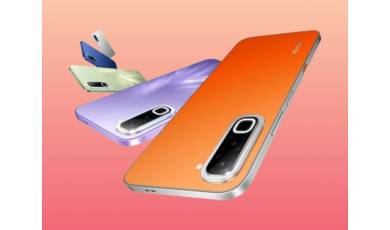
Colors:
black-red, white
Comments, Questions and Answers about Lovme LM688
Ask a question about Lovme LM688
