
Lovme A18 specs.
Mobiles >> Lovme >> Lovme A18| Specifications | Reviews | Secret codes |
| Unlock phone | Root phone |
| Backup | Flash Firmware | Screenshot |
Basic Spec LOVME A18
Smart Phone OS: An operating system (OS) is software that interacts between a user and a smartphone.
An operating system (OS) is software that interacts between a user and a smartphone.Android 2.3 Gingerbread
Display LOVME A18
Primary display:
TFT 3.5" 480 x 320 pixels HVGA, 165 ppi
Secondary display:
No
Storage LOVME A18
RAM:Random Access Memory
Random Access Memory256 MB
Memory Card:
MicroSD, Up to 32 GB
Main Camera LOVME A18
Primary camera:
5 MP 2592 x 1944 pixels
Selfie camera LOVME A18
Secondary camera:
Sound LOVME A18
Headphone:
Yes
Network LOVME A18
EV-DO:
No
GPRS:General Packet Radio Service
General Packet Radio ServiceYes
GSM:
900
EDGE:
No
Connectivity LOVME A18
Wi-Fi:Wireless lan technology
Wireless lan technologyYes 0
NFC:Near field communication
Near field communicationNo
GPS:Global Positioning System
Global Positioning SystemNo
Bluetooth:Bluetooth is used to exchange data between nearby mobile devices.
Bluetooth is used to exchange data between nearby mobile devices.No
HDMI:
No
Hotknot:
No
USB:Universal Serial Bus
Universal Serial BusYes
Infrared:
No
Features LOVME A18
Waterproof:
No
Dustproof:
No
Shock resistant:
No
Sensors:
G-sensor, Gravity sensor
Battery LOVME A18
Capacity:
1500 mAh
Size LOVME A18
Dimension:
116 x 60.5 x 10.8 mm
Weight:
94.5 g
SIM:
Mini-SIM, Dual-SIM
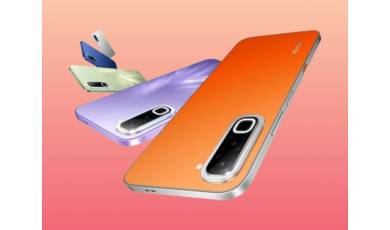
Colors:
black, white, yellow
Comments, Questions and Answers about Lovme A18
Ask a question about Lovme A18
