

ASUS Unveils Mac-Compatible ProArt Professional Monitor |
|
 |
|
|
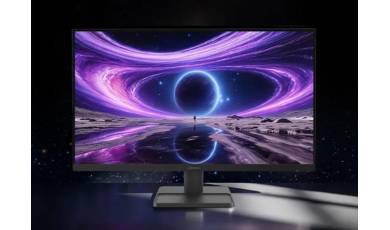
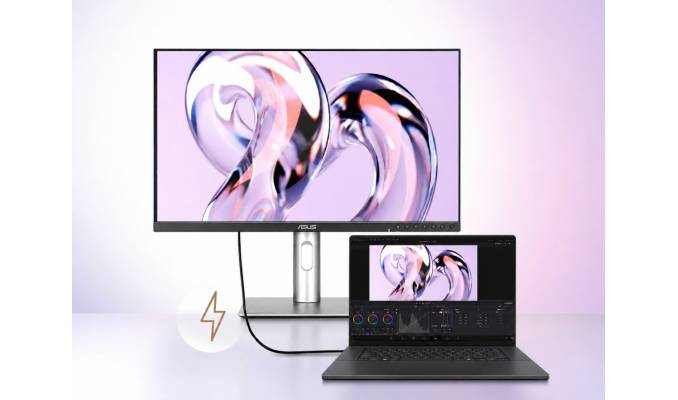
ASUS has released the new ProArt Display OLED  OLED technology was invented by Eastman Kodak in the early 1980s. OLED panels are made from organic (carbon based) materials that emit light when electricity is applied through them. Since OLEDs do not require a backlight and filters (unlike LCD displays), they are more efficient, simpler to make, and much thinner. OLEDs have a great picture quality - brilliant colors, fast response rate and a wide viewing angle. OLEDs can also be used to make OLED lighting - thin, efficient and without any bad metals.PA279CDV monitor, aimed at content creators. It features a Samsung quantum-dot OLEDOLED technology was invented by Eastman Kodak in the early 1980s. OLED panels are made from organic (carbon based) materials that emit light when electricity is applied through them. Since OLEDs do not require a backlight and filters (unlike LCD displays), they are more efficient, simpler to make, and much thinner. OLEDs have a great picture quality - brilliant colors, fast response rate and a wide viewing angle. OLEDs can also be used to make OLED lighting - thin, efficient and without any bad metals.panel with accurate color reproduction and is fully compatible with macOS. The ASUS ProArt Display OLED OLED technology was invented by Eastman Kodak in the early 1980s. OLED panels are made from organic (carbon based) materials that emit light when electricity is applied through them. Since OLEDs do not require a backlight and filters (unlike LCD displays), they are more efficient, simpler to make, and much thinner. OLEDs have a great picture quality - brilliant colors, fast response rate and a wide viewing angle. OLEDs can also be used to make OLED lighting - thin, efficient and without any bad metals.PA279CDV features a 27-inch QD-OLED display with 4K resolution, a 120Hz refresh rate, and up to 1000 nits of brightness. It boasts 100% sRGB color gamut coverage, as well as 99% Display P3 and BT.2020 color space coverage. The monitor meets the VESA DisplayHDR True Black 400 standard, is Calman-certified, factory-calibrated, and comes with free software for self-calibration.When working with Mac computers, the M Model-P3 mode is available, which matches the MacBook's color scheme, and brightness and volume can be adjusted using standard macOS controls. The new model's interfaces include a USB-C With the continued success of the USB interface, there exists a need to adapt USB technology to serve newer computing platforms and devices as they trend toward smaller, thinner and lighter form-factors. Many of these newer platforms and devices are reaching a point where existing USB receptacles and plugs are inhibiting innovation, especially given the relatively large size and internal volume constraints of the Standard-A and Standard-B versions of USB connectors.. port with power delivery of up to 96W and a KVM switch.The monitor can automatically adjust brightness thanks to a light sensor, and a proximity sensor turns the screen on and off when the user moves away from the computer. Another feature of the model is a stand with a hole for cable management. ASUS ProArt Display OLED OLED technology was invented by Eastman Kodak in the early 1980s. OLED panels are made from organic (carbon based) materials that emit light when electricity is applied through them. Since OLEDs do not require a backlight and filters (unlike LCD displays), they are more efficient, simpler to make, and much thinner. OLEDs have a great picture quality - brilliant colors, fast response rate and a wide viewing angle. OLEDs can also be used to make OLED lighting - thin, efficient and without any bad metals.PA279CDV has arrived in the US market priced at $699.
|
Source: http://


